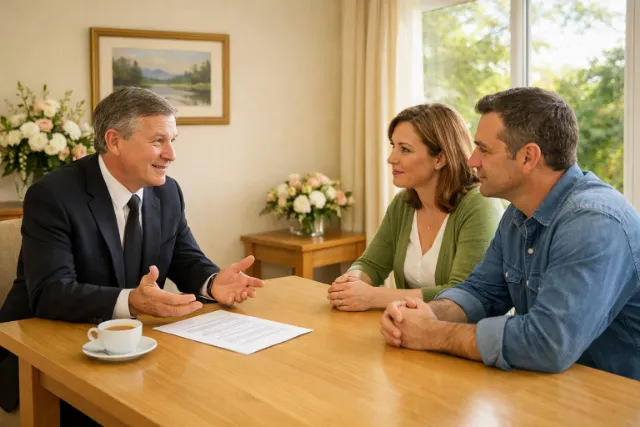
It's been three weeks since the funeral. Everything went well - better than well. The family was grateful, the service was personal, the logistics ran smoothly. The director handled every detail with care, and the daughter said as much in person at the door.
Since then: silence.
The daughter has questions. Her father's ashes - are they ready for collection? She's not sure whether she needs to call or whether someone will contact her. She feels awkward ringing, like she's being a nuisance. Her brother needs an extra copy of the death certificate for the bank, but he doesn't know whether that comes from the funeral director, the registrar, or someone else entirely. Neither of them has asked, because neither wants to bother anyone.
Meanwhile, the widow has received a tasteful sympathy card in the post. It's from another funeral home two miles away - one that runs a direct mail aftercare programme. She puts it on the mantelpiece beside the others.
Back at the funeral home, the director hasn't thought about this family since the invoice was paid. Not through callousness - through capacity. Six new cases have come through the door since then, each one demanding the same total attention this family received a month ago. Once the funeral is done and the paperwork filed, attention moves to the living who still need it.
Nobody did anything wrong here. But something important is being lost.
The Aftercare Gap
Most funeral homes deliver genuinely excellent care from first call through to the day of the funeral. Families are guided, supported, and held through every decision. Then the funeral happens, and the relationship ends - abruptly, completely.
From the family's perspective, they go from being the centre of someone's professional attention to a closed case file in the space of a day. No transition, no follow-up, no gentle handoff back to ordinary life.
Funeral home aftercare is the bridge between the service itself and the months that follow - and for most homes, that bridge doesn't exist. Not because directors don't care, but because there's no system for it. When you're managing multiple cases simultaneously, the family you served three weeks ago simply falls out of view.
Here's what matters: the post-funeral period is when families are most vulnerable, most in need of practical help, and most likely to form a lasting impression. Grief doesn't follow a schedule, but the administrative aftermath does. Ashes collection, death certificates, probate paperwork, notifying organisations - all of it arrives in the weeks after the funeral, precisely when families feel most alone. The gap between service and aftercare is where trust either compounds or evaporates.
Two Minutes That Change Everything
Return to our family. Imagine that two weeks after the funeral, the daughter receives a brief email.
Dear Sarah, I hope you and the family are managing. I wanted to let you know that your father's ashes are ready for collection whenever suits you - no rush at all. If you need additional copies of the death certificate, just reply to this email and I'll arrange it. I've also included a few local bereavement support contacts below in case they're helpful for anyone in the family. With kind regards, [Director name]
That email takes two minutes to write. It answers the questions the daughter was too awkward to ask. It removes the burden of initiating contact. It tells the family - without saying it directly - that they haven't been forgotten.
Its impact lasts years.
What Aftercare Looks Like in Practice
Aftercare doesn't require a dedicated team or a separate budget. It requires a handful of consistent touchpoints built into how you work. Here's what effective funeral home aftercare includes.
The Two-to-Three-Week Follow-Up
A brief email or phone call, two to three weeks after the funeral. Check in on the family. Cover the practical items: ashes readiness, additional death certificate copies, any outstanding documentation. Ask whether they have questions about anything - many families don't know what to ask or who to ask it of.
Keep it short. Keep it personal. One paragraph, not a newsletter.
Bereavement Support Resources
Share a short list of local and national bereavement support contacts proactively - don't wait for the family to ask. In the UK, Cruse Bereavement Care provides free support and counselling. In Ireland, the Irish Hospice Foundation runs a bereavement support line and local programmes. Local support groups, hospice bereavement services, and faith-based counselling are worth including too.
Send these resources as part of your follow-up communication, not as a separate mailshot. Attached to a personal message, they feel genuinely helpful. Sent in isolation, they feel institutional.
Anniversary Acknowledgment
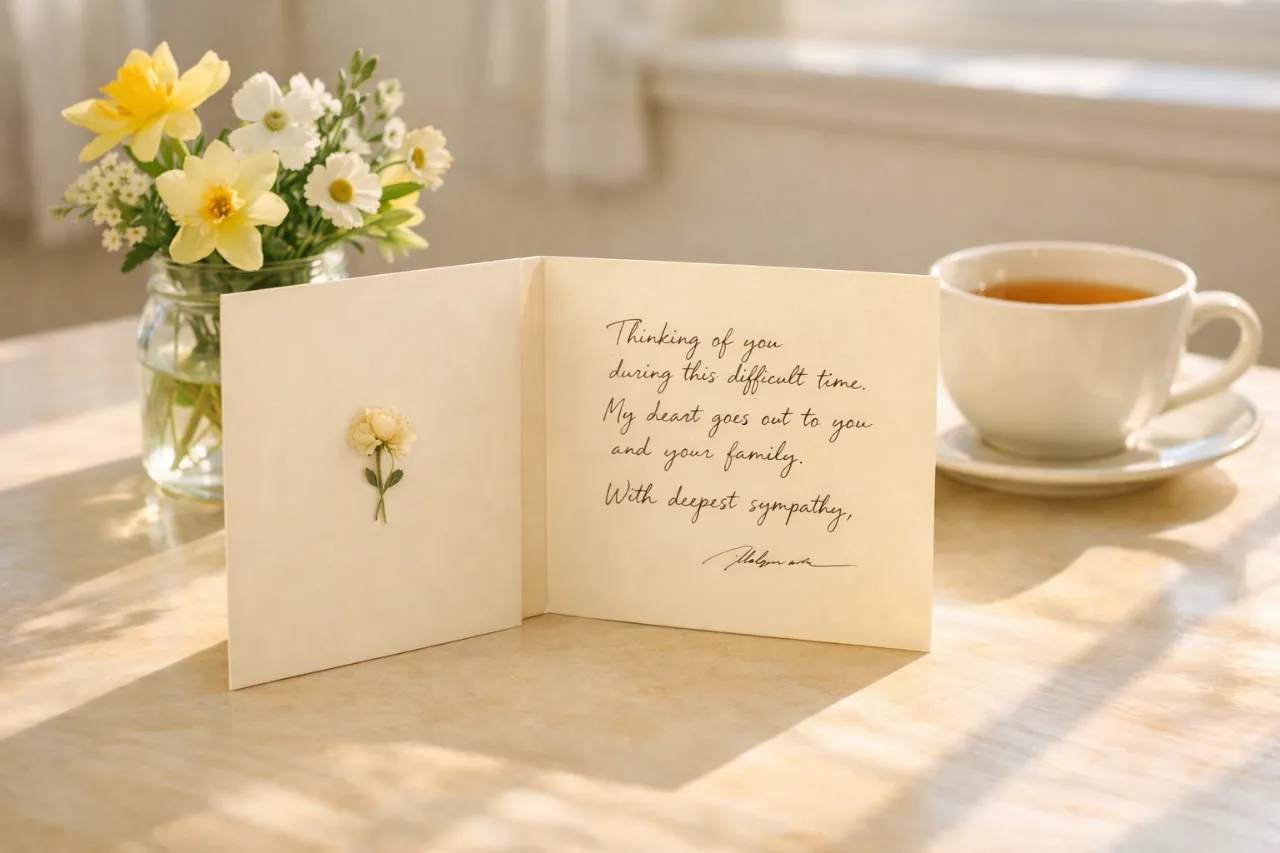
A card or brief email on the first anniversary of the death. Simple, personal, unexpected. Something like: "Thinking of you and your family as the first anniversary of your father's passing approaches. I hope you're all managing well."
Of every aftercare action you can take, this one carries the single highest emotional impact. Families rarely expect it. When it arrives, they remember it - and they remember who sent it. NAFD guidance on aftercare recognises anniversary contact as a meaningful practice that deepens the relationship between the funeral home and the families it serves.
Holiday Remembrance Events
Annual candlelight services at Christmas, or remembrance evenings in November, give families a reason to stay connected with your funeral home beyond their immediate bereavement. These events build community and signal that your care extends past the transaction.
They don't need to be elaborate. A simple service in a local church or your chapel of rest, with printed programmes listing the names of those you cared for that year, creates something families genuinely value. Many directors who run these events report that families attend for several years running.
Practical Support Signposting
Families are often overwhelmed by the administrative aftermath of a death. Probate, estate notifications, pension claims, utility accounts - the list is long and arrives when energy is lowest. Pointing families toward practical resources makes a real difference. In the UK, the Tell Us Once service saves families from contacting dozens of government departments individually. In Ireland, signposting to Revenue, the Department of Social Protection, and the relevant local authority helps families manage the notification burden.
You don't need to provide the advice yourself. Just knowing where to direct people - and doing so before they have to ask - sets you apart.
Making Aftercare Consistent
Every director reading this has probably done some of these things, some of the time, for some families. The problem is consistency, not knowledge or willingness.
When aftercare depends on the director remembering - between new cases, removals, arrangements, and the daily operational weight of running a funeral home - it happens sporadically at best. The families who receive follow-up are the ones the director happens to think of. Everyone else falls through the gap.
Everly Pro lets directors build aftercare into the case workflow itself. Email templates with personalised variables - family name, deceased name, specific details - can be scheduled at set intervals after the case is archived. A two-week follow-up. A six-month check-in. An anniversary acknowledgment. The system prompts the action; the director decides whether and how to send it. Aftercare stops being something you do when you remember and becomes something that happens as part of the process.
Build it into the system
Schedule three touchpoints for every case: a 2–3 week follow-up, a bereavement resources email, and a first anniversary acknowledgment. Automate the prompt, personalise the message.
The Referral You Can't Buy
Come back to our scenario one more time. A year has passed. The daughter - Sarah - is at work when a colleague mentions that her husband has died. The colleague is distraught, overwhelmed, and doesn't know where to start. She asks: "Can you recommend a funeral director?"
Sarah doesn't hesitate. She gives the name of the director who looked after her father's funeral. But here's what's worth understanding: she's not recommending based on the funeral alone. She's recommending because of the email that arrived two weeks later answering her unasked questions. Because of the help with the extra death certificate. Because of the anniversary card that made her cry in the kitchen on a Tuesday morning - in the good way.
That referral - a warm, personal, specific recommendation from someone who's been through it - is the highest-value form of marketing a funeral home can receive. Research consistently shows that personal recommendations and online reviews carry more weight than any advertising spend. You cannot buy that kind of trust. You can only earn it.
And more often than not, it's earned in the weeks after the funeral rather than on the day itself.
Aftercare is the part of good funeral service that families remember longest, talk about most, and use to decide whether they'd recommend you. Every family you serve walks out of your care carrying an unfinished impression. What you do in the weeks and months that follow determines what that impression becomes.