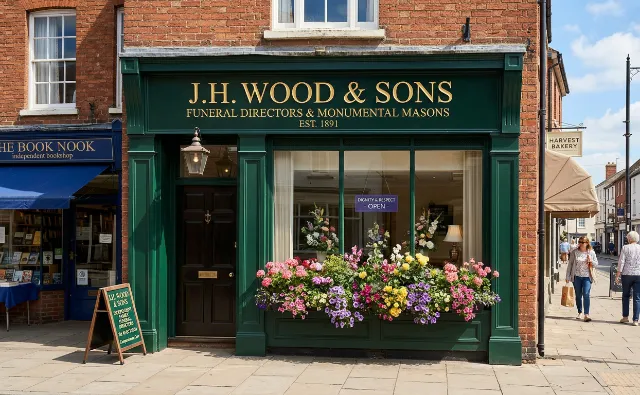
Consolidation is a fact of the trade now. Dignity has gone private, Funeral Partners adds homes most months, and Co-op Funeralcare runs the largest network in the country. The groups have buying power, central teams and brands that turn up in town after town. Many of them employ excellent people doing careful work.
But scale solves one set of problems and creates another. The bigger an organisation grows, the harder it is to protect the things families remember: that the 2am phone call was answered by someone whose name they recognised, that the hearse driver knew the quieter road to the crematorium, that their mother stayed in the care of people they could picture.
Most independents already do all of this. The problem is visibility: families cannot give you credit for care they never see, and “independent” on the fascia tells them nothing. So show families what being independent actually means for them.
1. Win the First Call
The voice a family hears at their lowest sets the tone for everything after. The groups often route night calls to a central team, for sensible reasons of cover, putting the answering voice a hundred miles from the family’s kitchen table. If yours reach your own people, say so everywhere: “Call us at any hour and you will speak to a member of our team, not a call centre.” Then train everyone who might pick up, part-timers included, to slow down, use the caller’s name and the name of the person who has died, and spell out what happens next. Months later, nobody could tell you what was said on that call. They can tell you whether the person on the other end sounded rushed.
2. Be Straight About Money
Since September 2021 the CMA has required every firm to display the standardised price list. Treat it as the legal floor. Put prices one click from your homepage, on a proper page people can read on their phone, show realistic disbursements beside your own fees so nobody is ambushed by the crematorium invoice, and write it all for a tired daughter scrolling at 11pm, not for an inspector. Then use the freedom a corporate arranger on targets lacks. If the plain coffin is right, say so. Families remember the director who talked them out of spending money they didn’t need to, and they tell their neighbours.
3. Own the Simple Funeral
Direct cremation is no longer a niche. SunLife’s latest Cost of Dying report puts it at 21% of UK funerals. A local firm can offer what the national call-centre brands never will: the family can visit beforehand, attend at the crematorium if they change their minds, and collect the ashes from someone they have met. Put a named, priced unattended option on your website beside a clear simple service, and describe the care that continues behind both: same premises, same standards, same people. Most of those families still hold a gathering of some kind. Offer to help plan it.
4. Explain What Happens Behind the Scenes
Few families ask where their loved one goes after coming into care; most quietly assume “close by”. If that is true of your business, say so before anyone has to wonder: where they rest, who looks after them, how visiting works. With the Fuller inquiry demanding statutory regulation and Westminster weighing its response, openness is now the strongest card an independent holds. Some firms even run open days, walking neighbours through the premises and the standards behind them. Looking after the deceased is the heart of this job and the part families hear least about.
5. Let Families Prove Your Reputation
A review that reads “he sat with my mother for three hours and never looked at his watch” does more than fifty wordless five-star ratings. Ask gently, a fortnight on, only where the relationship warrants it, and make asking part of your aftercare routine, so it doesn’t depend on someone remembering. Reply to every review, including the awkward one, because the next family reads the replies. And keep the Google profile honest: real faces, real premises, and accurate hours. At 1am, “funeral directors near me” is where the first call begins.
6. Give Them One Person, Start to Finish
A rota can mean a family meets one arranger, finds a different face at the chapel of rest and watches a stranger conduct on the day. Each may be excellent; the family still retells its story every time. Promise the same named director from first call to final goodbye and put it in writing, in the brochure and on the website. Where a handover is unavoidable (people do take holidays), have the original director introduce their colleague to the family in person.
7. Be Known Before You Are Needed
Nobody chooses a funeral director the way they choose a plumber; by the time the call comes, the decision is half made. Support the hospice appeal and stand at the war memorial on Remembrance Sunday, yes, but go further. Offer the Women’s Institute or the Rotary Club a plain-spoken talk on what actually has to happen when someone dies. Open the doors for a coffee morning in Dying Matters Awareness Week. Know the clergy, celebrants, care home managers and registrars by name, and make sure they know yours.
You don’t need a marketing department for any of this. What it takes is doing it every time, and being willing to talk plainly about work the profession has long kept behind the curtain. A group can buy the branch down the road and outspend you on advertising. Belonging has to be earned, and yours already has been.