Direct cremation approaching 20% of the UK market. Cremation overall at 65%. Nearly half of adults saying they’d prefer a celebration of life over a traditional service. The numbers are not ambiguous, and they are not reversing. Simpler funerals - fewer formalities, smaller gatherings, less pomp - are what a growing share of families want.
Some in the profession see this as decline. A slow erosion of everything funeral directing is supposed to be. I’d argue the opposite: the trend toward simpler funerals is ending one model of the profession, not the profession itself. Directors who redefine their value around what families actually need will find the work as meaningful and the demand as strong as ever. Those waiting for the traditional model to return will wait forever.
That’s not a comfortable position. But comfort and accuracy aren’t always the same thing.
The Numbers Are Already Settled
Start with what families are doing, not what we wish they were doing.
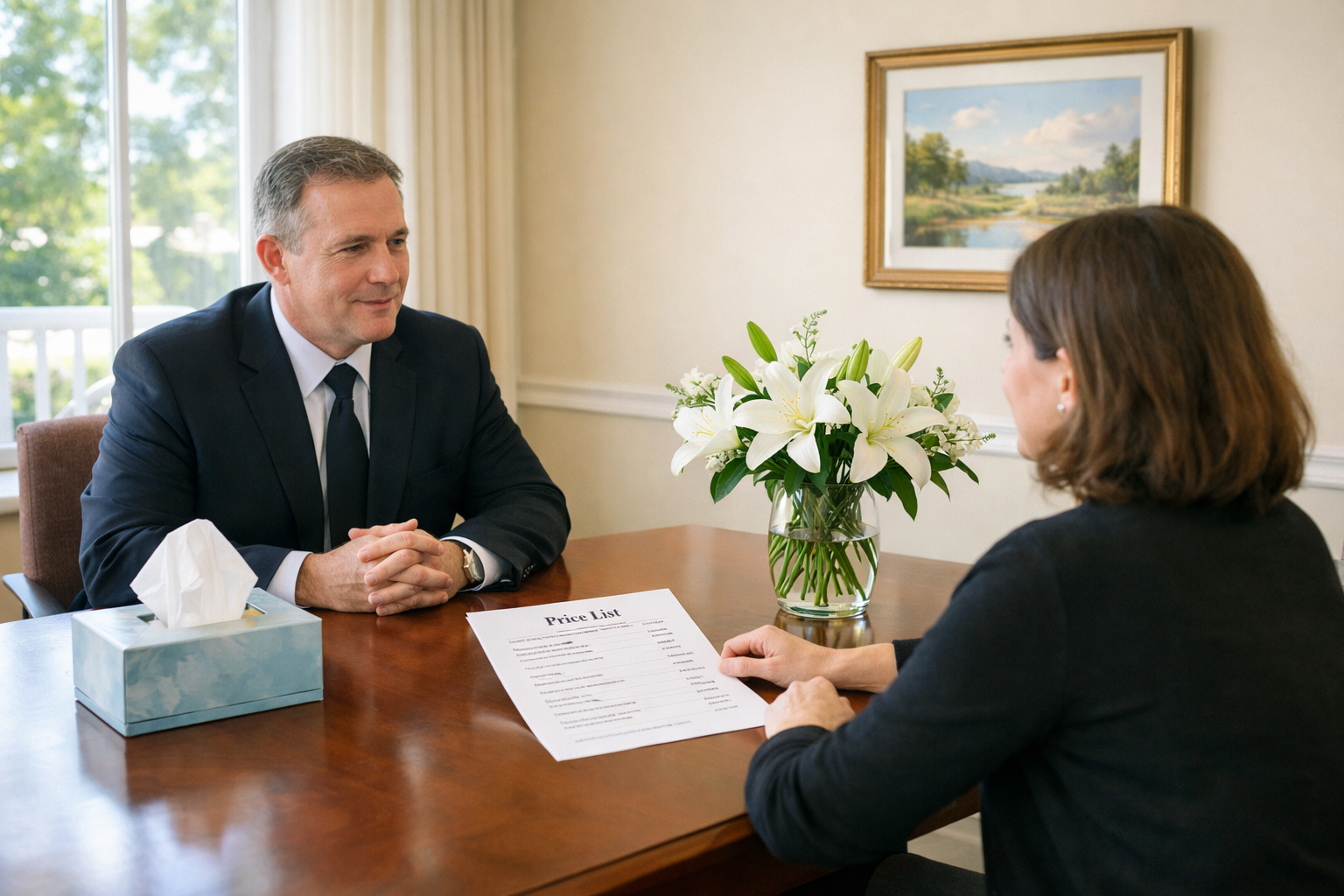
Direct cremation has moved from a fringe option to a mainstream choice. In the UK, it now accounts for close to one in five funerals, and the trajectory is upward. The average attended funeral costs £3,828 (SunLife Cost of Dying Report). A direct cremation averages £1,628. For the more than 75,000 families affected by funeral poverty each year, that difference isn’t academic - it’s the difference between manageable grief and financial crisis.
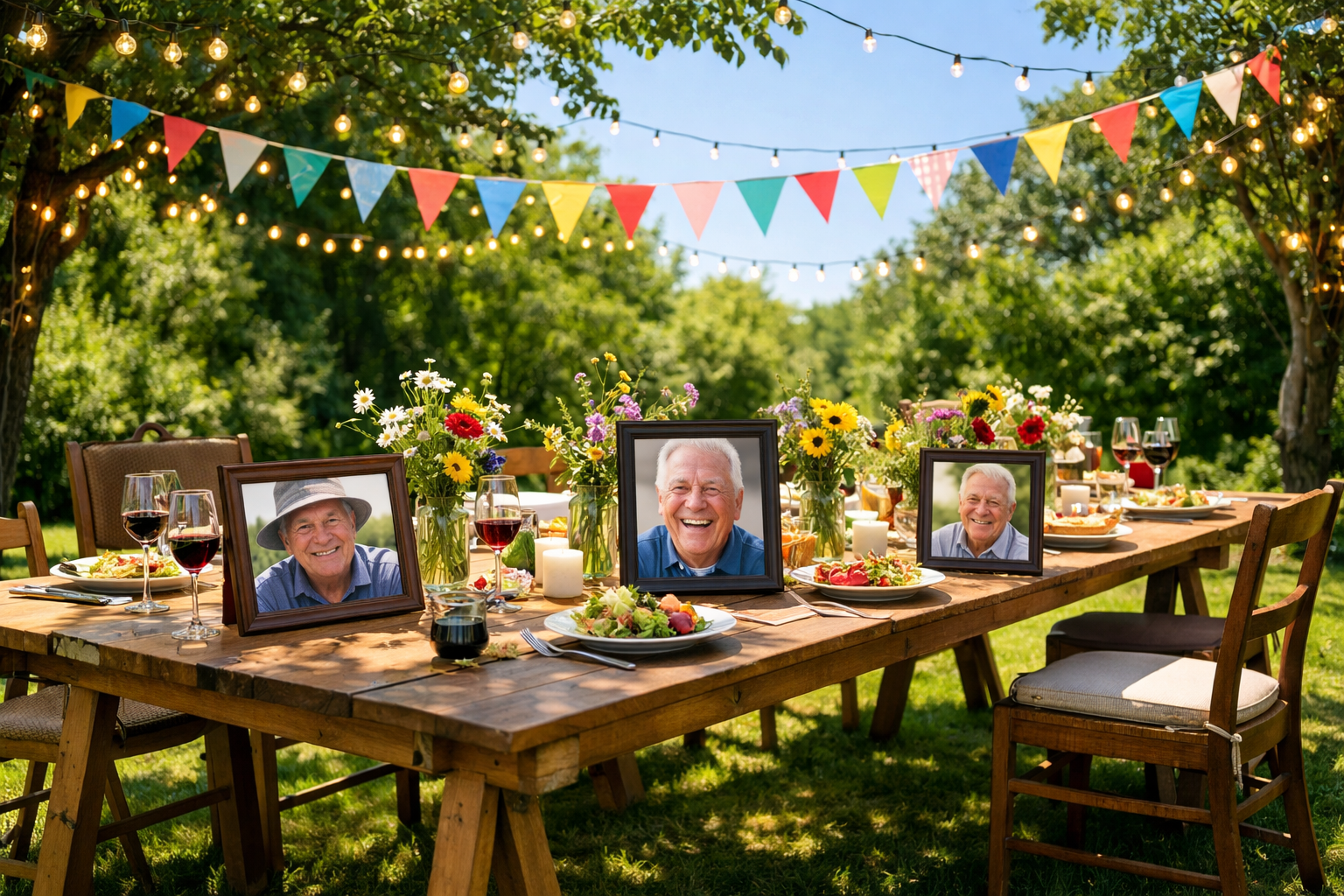
Meanwhile, 47% of adults say they’d prefer a celebration of life (SunLife). Not a religious service in a crematorium chapel. Not a formal procession. Something personal, warm, and built around who the person was rather than a liturgical template.
These are signs of a public that cares about death differently, not one that has stopped caring. Families are choosing simplicity because it feels right, because it’s affordable, or because the traditional format simply doesn’t reflect how they live. Arguing with that preference is like arguing with the weather.
Simplicity Doesn’t Mean Families Don’t Need You
Here’s where the narrative goes wrong - on both sides. Critics of simpler funerals assume that a family choosing direct cremation is a family that doesn’t need a funeral director. Proponents sometimes imply the same thing, as if simplicity means the professional role evaporates.
Neither is true.
A family choosing direct cremation still needs someone to collect the deceased, manage paperwork, liaise with the crematorium, handle the cremation itself, and return ashes with dignity and promptness. A family organising a celebration of life needs coordination, venue logistics, timing, tributes, flow - someone who understands that a gathering honouring a person’s life requires just as much professional skill as a traditional service, even if the visible trappings are different.
What shifts is the skill set. Less ceremonial expertise, more logistical and emotional support. Less leading from the front of a chapel, more working behind the scenes to make sure everything runs smoothly. The core competency - guiding people through the hardest days of their lives - remains identical. Only the format changes.
Directors who are thriving in this landscape stopped measuring their value by how elaborate the service was. They started measuring it by the quality of the family’s experience. A direct cremation handled with clear communication, dignified care, and prompt ashes return IS funeral service well delivered. Full stop.
Where Value Lives Now
For decades, the business model was relatively straightforward: a family came to you, you offered a package that included most things, the service followed a recognisable format, and the fee reflected the complexity. Revenue correlated with formality.
That correlation is breaking. And pretending it isn’t creates a strategic blind spot.
Value, for families choosing simpler funerals, lives in different places. Speed and responsiveness - a family arranging a direct cremation wants efficiency, not a two-hour arrangement meeting. Transparency - clear pricing, no hidden costs, no sense of being nudged toward something more expensive than they wanted. Emotional attunement - reading whether a family choosing simplicity is doing so from conviction or from financial pressure, and responding appropriately to each.
Directors who grasp this are building loyalty and reputation in segments of the market that barely existed fifteen years ago. They’re getting referrals from families who tell friends: “They didn’t try to upsell us. They just did exactly what we asked, and they did it well.” That word-of-mouth is worth more than any marketing campaign.
The Counterargument Deserves Honesty
The concern that simpler funerals erode the profession is not baseless, and dismissing it would be dishonest.
Revenue per case does drop. A direct cremation at £1,628 generates less than half the income of a fully attended funeral at £3,828. If your cost base is built around traditional service delivery - chapel maintenance, fleet vehicles, large staffing rosters - that drop hits hard. Some directors feel that encouraging simpler options makes them complicit in their own profession’s decline. Others worry that as funerals become simpler, the public perceives the work as less skilled, less essential, less worthy of fair compensation.
These are legitimate concerns. Revenue pressure is real. Professional identity matters. Nobody enters this work hoping to become an invisible logistics operator.
But consider the alternative. Families who want simplicity and can’t find it from their local independent funeral director don’t return to the traditional model. They go to national direct cremation providers - large-scale operators with no local presence, no personal relationship, no community connection. Pure Cremation, Distinct Cremations, and similar services are growing precisely because local directors left a gap. Every family lost to a faceless national provider is a family that a local director could have served - personally, with care, and yes, at a lower price point - but chose not to.
The real choice is between serving families on their terms and watching someone else do it.
The Profession Adapts or It Doesn’t
Funeral directing has never been static. A director working in the 1970s would barely recognise the personalisation, the digital tools, the celebrant-led services, the environmental considerations that shape the profession now. Every generation of directors has adapted to shifting expectations, and the ones who adapted well are the ones whose businesses survived.
Simpler funerals are this generation’s adaptation - a shift in expectations to be met, not a threat to be feared. The families are still there. The need is still there. Grief doesn’t simplify just because the service does. What changes is the container, and directors who understand the difference between the container and the care inside it will find demand as strong as it has ever been.
The future belongs to directors who become more versatile, more responsive, and more willing to meet families where they are rather than where the profession would prefer them to be.
The skill hasn’t changed - helping people through the worst days they’ll face. The format has. Directors who grasp that distinction will build sustainable businesses, earn genuine loyalty, and do work that matters.
Even if the invoice looks different.